History and Applications of Licorice (Glycyrrhiza glabra)
History of Licorice
Licorice (Glycyrrhiza glabra) is a wild plant from the Fabaceae family, native to Southern Europe, Northern Africa, and temperate regions of Asia
The leaves are compound, consisting of 4 to 7 pairs and a terminal leaflet, and are sticky due to resin secretion. The plant has bluish flowers and produces pods containing 5 to 6 brownish seeds. Its root and underground stem are used medicinally. The root, known in ancient agricultural texts as “Asl-e-Soos,” is dark brown to black outside and yellow inside.
Licorice, also known as "sweet root," is much sweeter than sugar. It has been used for thousands of years in traditional Chinese medicine and is considered a “harmonizer.” Today, it is widely used and cultivated across Russia, Spain, France, the UK, Germany, the Middle East, and Asia.
Nutritional Value
Licorice is a good source of B vitamins, vitamin E, and minerals such as potassium and magnesium. According to USDA data, 14 grams of licorice contains:
- Calories: 52 kcal
- Fat: 0 g
- Sodium: 7 mg
- Carbohydrates: 13 g
- Fiber: 0.3 g
- Sugar: 9.8 g
- Protein: 0 g
Applications of Licorice
Medicinal Uses
Licorice extract contains glycyrrhizic acid and other active compounds, which are used to treat:
- Arteriosclerosis
- Stomach and intestinal ulcers and inflammation
- Stomach cancer and indigestion
- Mouth ulcers and oral inflammation
- Chronic fatigue, AIDS, tuberculosis, asthma
- Sore throat, sunburn, cracked lips
- Addison’s disease
- Female infertility and menopausal symptoms
- Memory enhancement, adrenal support
- Stress, depression, high cholesterol, and obesity
- Soothing the respiratory tract and relieving cough
Licorice is an effective expectorant, diuretic, and mild laxative. Its topical antiviral properties help treat herpes, and inflammation of the eyes, mouth, gums, and genitals. It is effective against various viral and bacterial infections.
Traditional medicine also uses licorice to treat muscle spasms, bronchitis, rheumatism, and joint inflammation. It supports the immune system, detoxifies and strengthens the liver and cardiovascular system, and is used to enhance vocal clarity.
Pharmaceutical uses include masking the unpleasant taste of certain medications (like quinine sulfate, aloe, cassia) and reducing intestinal spasms in strong laxatives. Licorice improves drug efficacy and reduces side effects.
Cosmetic Uses
The antimicrobial and brightening compounds in licorice extract make it valuable for skin whitening masks and creams. It also helps prevent dental caries, making it useful in mouthwashes and toothpastes.
It is also used in other cosmetic products such as lotions, hair tonics, hair dyes, and perfumes.
Food Applications
Licorice is up to 50 times sweeter than sucrose and is widely used as a natural sweetener in:
- Candies, gummies, jellies
- Cakes, chocolates, cocoa-based products
- Breads and pastries
- Sauces, syrups, and ice creams
- Soft drinks, herbal infusions, chewing gums
- Malt beverages, fermented drinks, canned foods, mushrooms, and antioxidants
Industrial Applications
Licorice is used in tobacco products as a flavoring agent due to its natural sweetness. Thanks to its saponin content, it also serves as a foaming agent in:
- Shampoos, liquid soaps, dishwashing and laundry detergents
- Drilling foams for oil and gas wells
- Firefighting foams
- Concrete foams used in construction, tunnel linings, abandoned wells, lightweight blocks, etc.
Other industrial uses include:
- Textile dyeing
- Ink production
- Leather tanning
- Shoe polish, upholstery coatings, and curtain treatments
Nutritional and Medicinal Properties of Licorice Root
Introduction
Licorice root (Glycyrrhiza glabra) is one of the oldest known medicinal herbs and has long been used in traditional medicine as a natural remedy for a wide range of ailments. Due to its unique health-promoting properties, it holds a significant place in various cultural and therapeutic traditions. Among its most well-known benefits are relief from mouth ulcers, digestive disorders, and respiratory illnesses.
Treatment of Rheumatism and Diabetes
Licorice root is used in the treatment of joint rheumatism, helping to reduce pain and inflammation. It is often used as a natural supplement alongside medical treatments. Research has also shown that licorice root may assist in blood sugar regulation, making it a natural option for managing diabetes—particularly appealing for those seeking alternative therapies.
Anti-Cancer and Neuroprotective Effects
Recent studies suggest that licorice root possesses anti-cancer properties by inhibiting the growth of cancerous cells. It influences specific biochemical pathways associated with cell proliferation and is considered a potential preventive agent. Furthermore, licorice root may help in treating neurological disorders and support brain function and memory.
Cholesterol Reduction and Immune Support
Research indicates that licorice root may help lower blood cholesterol levels—an important benefit for individuals at risk of cardiovascular disease. Additionally, licorice root demonstrates antiviral and antimicrobial activity, including effectiveness against infections such as herpes and HIV. By enhancing immune function, it plays a supportive role in overall health defense.
Relief from Mouth Ulcers and Digestive Disorders
Thanks to its anti-inflammatory and soothing properties, licorice root is highly effective in relieving pain and discomfort caused by mouth ulcers. It is also beneficial for improving digestive health. Compounds such as glycyrrhizin help soothe symptoms of indigestion and gastric inflammation, making it useful for people with chronic gastrointestinal issues.
Respiratory Health
Licorice root acts as a natural cough suppressant and is recognized for its role in respiratory health. It reduces inflammation in the airways and is especially effective in managing conditions like bronchitis and asthma. Its expectorant properties help clear mucus, ease breathing, and alleviate symptoms of respiratory disorders.
Applications in the Food Industry
Natural Sweetener in Food Products
Licorice root is valued in the food industry for its naturally sweet taste—sweeter than sugar—and is widely used as a sweetener in various food products. Its mild, pleasant flavor makes it ideal for desserts and sweets.
Manufacturers use licorice root to introduce unique flavors to their products. It serves not only as a sweetener but also as a flavor enhancer that adds depth and distinction. In products such as chocolates, biscuits, creamy desserts, puddings, and jellies, licorice root can be a healthy sugar substitute, reducing calorie content and improving nutritional value.
Health Benefits in Food
Beyond taste, licorice root is rich in antioxidants and anti-inflammatory compounds, making it attractive to health-conscious consumers. Adding it to food products not only enhances flavor and aroma but also contributes to overall well-being. For this reason, many premium food brands incorporate licorice root as a functional additive.
Advanced Processing of Licorice Root
Modern Extraction Techniques
Processing licorice root using advanced technologies improves product quality and yield. Efficient extraction of its active compounds—using green solvents and nanotechnology—allows for higher purity and effectiveness. For example, water-based extraction can positively influence the quality of the final product.
Optimized Drying Methods
Drying is a crucial stage in licorice processing. Advanced techniques such as freeze-drying and controlled warm-air drying preserve the plant's medicinal and organic properties. Careful control of temperature and time ensures that heat-sensitive compounds remain intact, thereby improving the quality of the finished product.
Use of Biotechnology and Microbiology
Biotechnological and microbiological methods also play a significant role. Specific microorganisms can enhance the production of beneficial compounds and reduce waste. For example, using targeted bacteria during fermentation can increase the value of the final products while reducing costs.
Licorice-Based Products
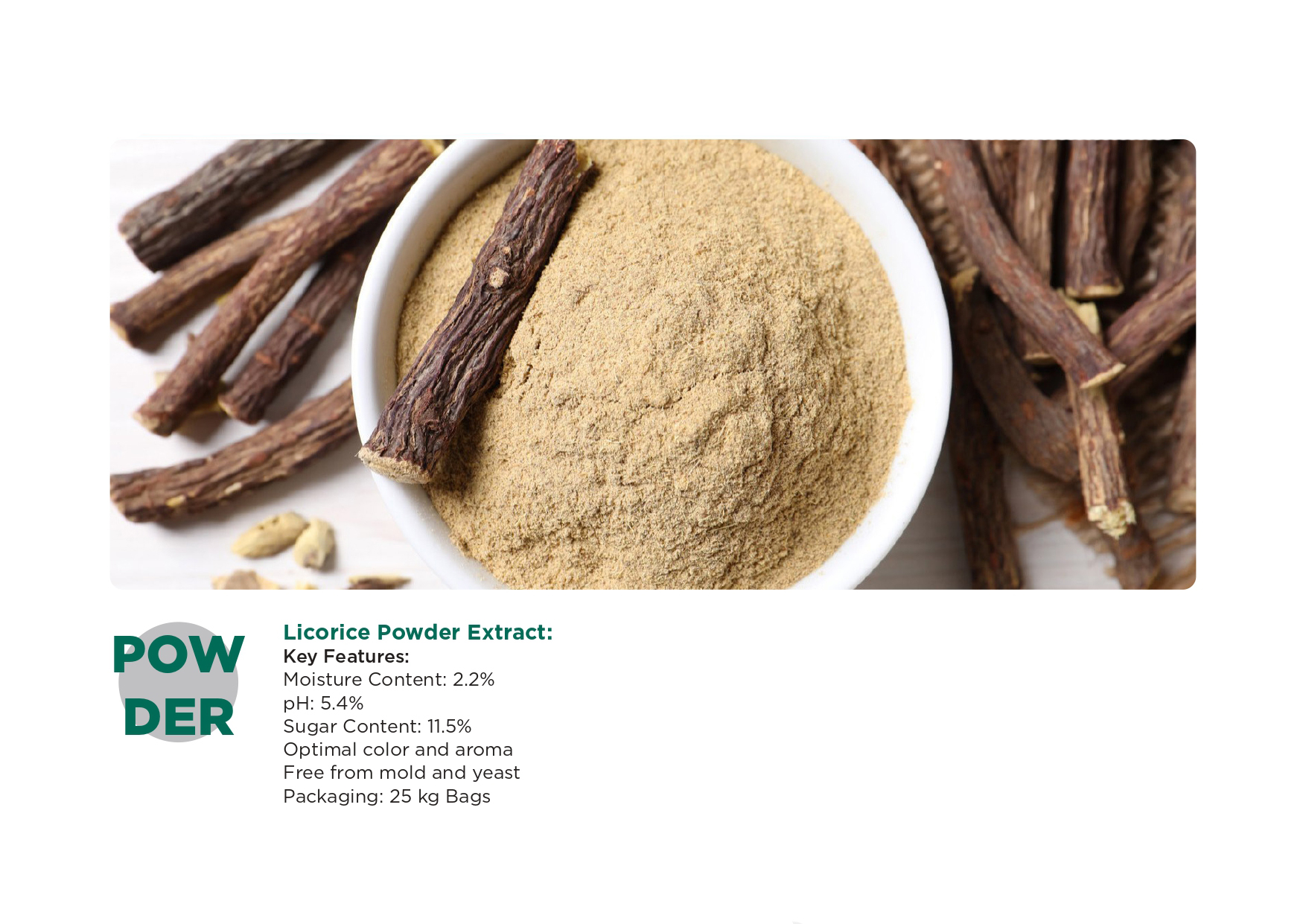
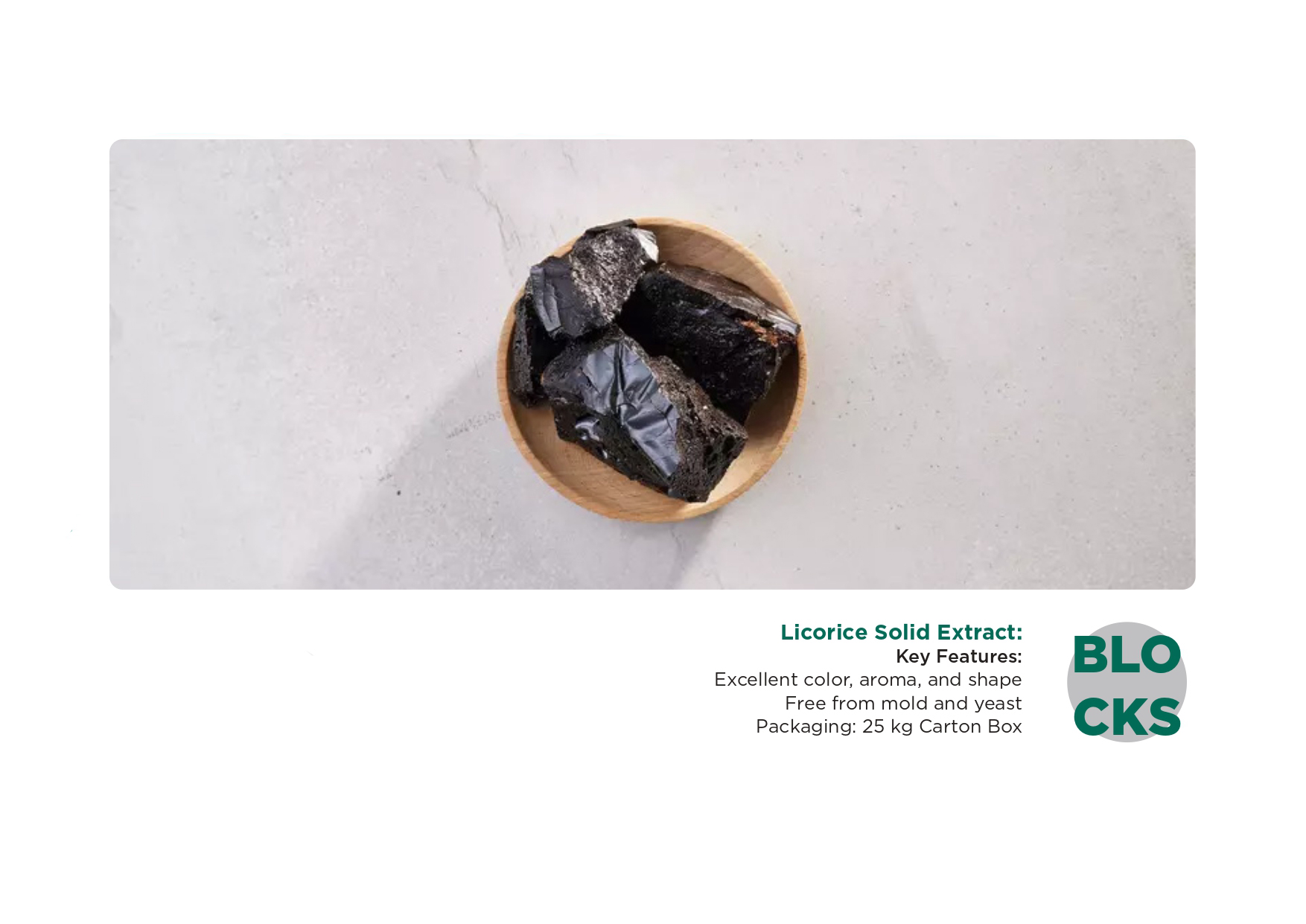
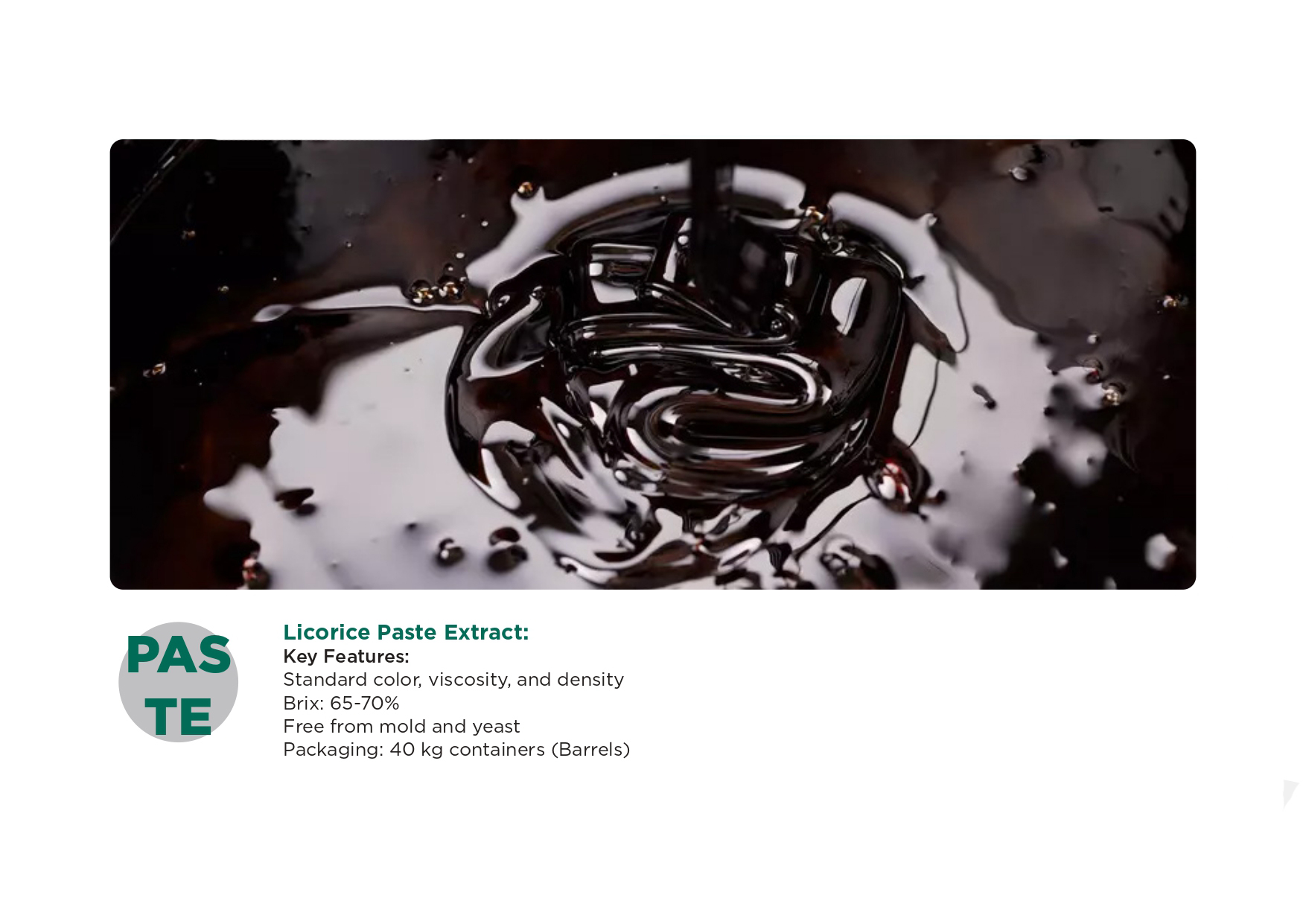
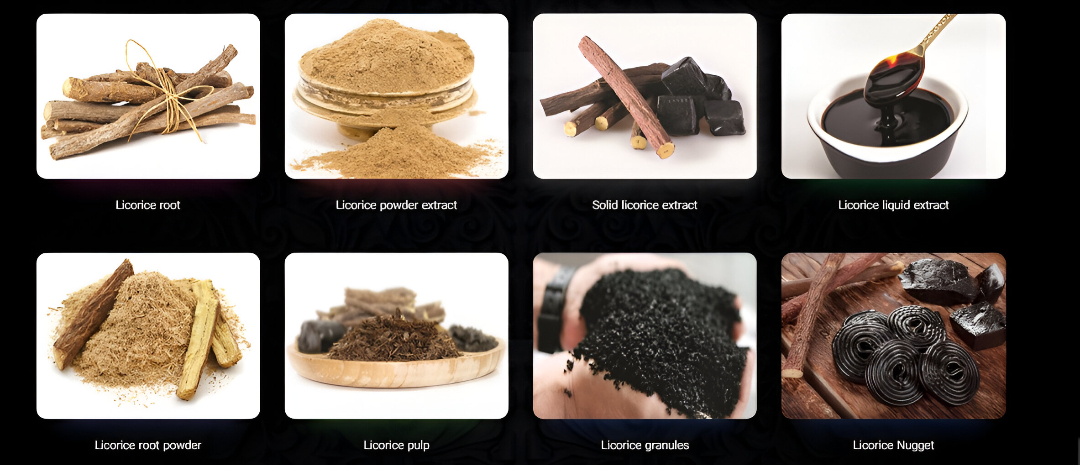
Processed licorice root can be transformed into powders, extracts, or blocks—each with distinct applications in pharmaceutical, food, and cosmetic industries. Licorice extract is especially valued in anti-inflammatory and anti-allergy medications, while licorice powder is used as a natural additive in foods.
In conclusion, modern processing methods not only improve efficiency and quality but also contribute to the sustainable growth of the licorice industry. These innovations enable the production of high-quality, market-competitive products.
Production and Sales of Licorice Extract for Food and Medicinal Use
Therapeutic Benefits
Licorice extract is a valuable product widely used in both the food and pharmaceutical industries. Extracted from the root of the licorice plant, it is known for its soothing and medicinal effects. Compounds like glycyrrhizin support the nervous system and promote relaxation. Licorice extract also acts as a natural disinfectant, aiding in the treatment of respiratory and digestive infections, making it an ideal component for natural medications and supplements.
Food Industry Applications
Licorice extract is also used as a natural flavoring agent in products such as candies, beverages, and desserts. Additionally, it acts as a natural preservative that extends the shelf life of food products. By improving both flavor and nutritional value, it aligns with the growing demand for healthier, cleaner-label foods.
Production Process
The production process includes harvesting, drying, and extracting the root. Techniques such as solvent or steam extraction are used to preserve its medicinal and nutritional properties, ensuring the final product is of the highest quality with minimal loss of active compounds.
Market Outlook
The market for licorice extract is rapidly expanding in both domestic and international sectors. As the demand for organic and natural products rises, producers are focusing on delivering high-quality, pure extracts. Proper packaging and strategic marketing further boost brand visibility and sales potential.